
Body & symptoms · 5 min read · October 21, 2026
Female Hormone Imbalance After 40: 12 Signs, Common Causes and What Actually Helps
What hormone imbalance usually means after 40, the 12 most common signs, how to tell perimenopause from thyroid and other causes, which tests are worth it, and what actually helps.
Some images in this story were created or assisted by AI tools.
"Hormone imbalance" is one of the most searched phrases among women in their 40s, and it's easy to see why. You feel tired, your periods have changed, your moods are louder, your waistline is different, and nothing seems to explain it.
The phrase itself isn't a diagnosis, though. It's an umbrella that covers several very different things, from normal perimenopause to a thyroid that needs treatment. Here is how to tell the signs apart, what is most likely going on, and what actually helps.
What "hormone imbalance" usually means after 40
For most women in their 40s, the main driver is perimenopause. Estrogen and progesterone stop following their familiar monthly rhythm and start swinging up and down. Progesterone often falls first, while estrogen can spike higher than usual before it declines. That mismatch explains many of the classic symptoms.
But perimenopause isn't the only possibility. Thyroid problems, polycystic ovary syndrome (PCOS), insulin resistance, iron deficiency, chronic stress, poor sleep and some medications can all cause similar symptoms, and some of them overlap with perimenopause at the same time.
12 signs of hormone imbalance in women over 40
- Changes to your cycle. Shorter, longer or unpredictable cycles.
- Heavier periods. More bleeding, clots, or periods lasting longer.
- Worse PMS. Mood swings, bloating and breast tenderness that feel stronger than before.
- Hot flashes and night sweats. Sudden waves of heat, day or night.
- Sleep changes. Trouble falling asleep, or waking at 3 a.m.
- Mood changes. Irritability, anxiety or low mood that feels out of character.
- Fatigue. Tiredness that doesn't lift with rest.
- Weight gain around the middle. Even without big changes to how you eat.
- Hair changes. Thinning on your head, or new coarse hairs on your chin.
- Skin changes. Dryness, itchiness, or adult hormonal acne along the jawline.
- Lower libido and vaginal dryness. Often alongside discomfort during sex.
- Feeling too hot or too cold, or a racing heart. These can point to perimenopause, but also to the thyroid, so they're worth checking.
For the full picture, see our perimenopause symptoms list with 34 signs grouped by body system.
Common causes, and the clues that point to each
- Perimenopause: changing periods plus hot flashes, night sweats, sleep problems and mood changes, usually in your 40s.
- Underactive thyroid: tiredness, feeling cold, weight gain, constipation, dry skin and hair thinning. Very common in women and easy to test for.
- Overactive thyroid: feeling hot, racing heart, anxiety, shaky hands and weight loss.
- PCOS: irregular periods, acne, excess facial or body hair, often since your teens or twenties.
- Insulin resistance: weight gain around the middle, energy crashes after meals, strong sugar cravings.
- Iron deficiency: exhaustion, breathlessness, brain fog and pale skin, often caused by heavy periods.
- Stress and poor sleep: they don't cause perimenopause, but they make every symptom feel worse.
- Medication changes: stopping hormonal contraception, or starting some antidepressants or other medicines, can change your cycle and mood.
Should you get your hormones tested?
This surprises many women: for women over 45 with typical symptoms, doctors usually diagnose perimenopause from symptoms and cycle changes alone. Hormone levels swing so much from day to day that a single test can look normal one week and very different the next.
Tests that often are useful include:
- Thyroid function (TSH)
- A full blood count and ferritin, to check for anemia and low iron
- Blood sugar (HbA1c)
- Cholesterol, since heart risk rises after menopause
- Vitamin D, if your doctor thinks you may be low
Be cautious with at-home saliva or urine hormone kits sold online. They are expensive and rarely change what a good doctor would recommend.
What actually helps hormone balance
Everyday foundations
- Protein at every meal. Around 25 to 30 grams helps protect muscle and steady energy.
- Fiber from plants. Beans, lentils, vegetables, whole grains and seeds support digestion, blood sugar and heart health.
- Strength training. Two or three sessions a week protects muscle, bone and insulin sensitivity.
- Sleep. A cool, dark room and a steady wind-down. Our menopause sleep routine can help.
- Less alcohol. It worsens sleep, hot flashes and mood for many women.
- Stress outlets that you'll actually use. Walking, breathing, therapy, time with friends.
Medical options worth discussing
- Menopausal hormone therapy (HRT/MHT) is the most effective treatment for hot flashes and night sweats. For most healthy women under 60, or within 10 years of their last period, the benefits generally outweigh the risks, according to The Menopause Society.
- Non-hormonal prescriptions such as some antidepressants, gabapentin and newer medicines like fezolinetant can reduce hot flashes for women who can't or prefer not to take hormones.
- Vaginal estrogen treats dryness and urinary symptoms with very low absorption into the rest of the body.
- Treating the other causes. Thyroid medication, iron, or PCOS care if those turn out to be part of the picture.
What to be wary of
- "Hormone balancing" supplement blends with big promises and little evidence.
- Detox teas and cleanses. Your liver and kidneys already do this job.
- Custom-compounded hormone pellets and creams, which aren't FDA-approved and can deliver unpredictable doses.
When to see your doctor
Make an appointment if symptoms are affecting your work, relationships or sleep, and go sooner for very heavy bleeding, bleeding between periods or after sex, periods closer than 21 days apart, or any bleeding after 12 months without a period. Bring a few weeks of notes. The free perimenopause symptom tracker at the top of this page, and our guide to using it, make that easy.
This article is for general information and is not medical advice. Please talk to your doctor or a menopause-informed clinician about your own symptoms and treatment options.
Pin this
Female Hormone Imbalance After 40: 12 Signs, Common Causes and What Actually Helps | The Menopause Edit
Female hormone imbalance after 40: the 12 most common signs, from irregular periods and night sweats to hair thinning and 3 a.m. wake-ups. Learn how to tell perimenopause from thyroid problems, PCOS or low iron, which tests are worth asking for, and what actually helps.
female hormone imbalance hormone balance hormone balance after 40 hormone imbalance symptoms perimenopause thyroid women over 40
← Cortisol Drink Recipe: An Honest Look at the Viral Adrenal Mocktail (Plus 12 Cortisol-Friendly Foods) · Estrogen-Rich Foods for Menopause: 15 Phytoestrogen Foods and What the Research Says →
Related
Perimenopause Symptoms List: 34 Signs, From the Common to the Unexpected
The complete perimenopause symptoms list: 34 signs grouped by body system, from irregular periods and night sweats to itchy skin and brain fog, plus when to call your doctor sooner.
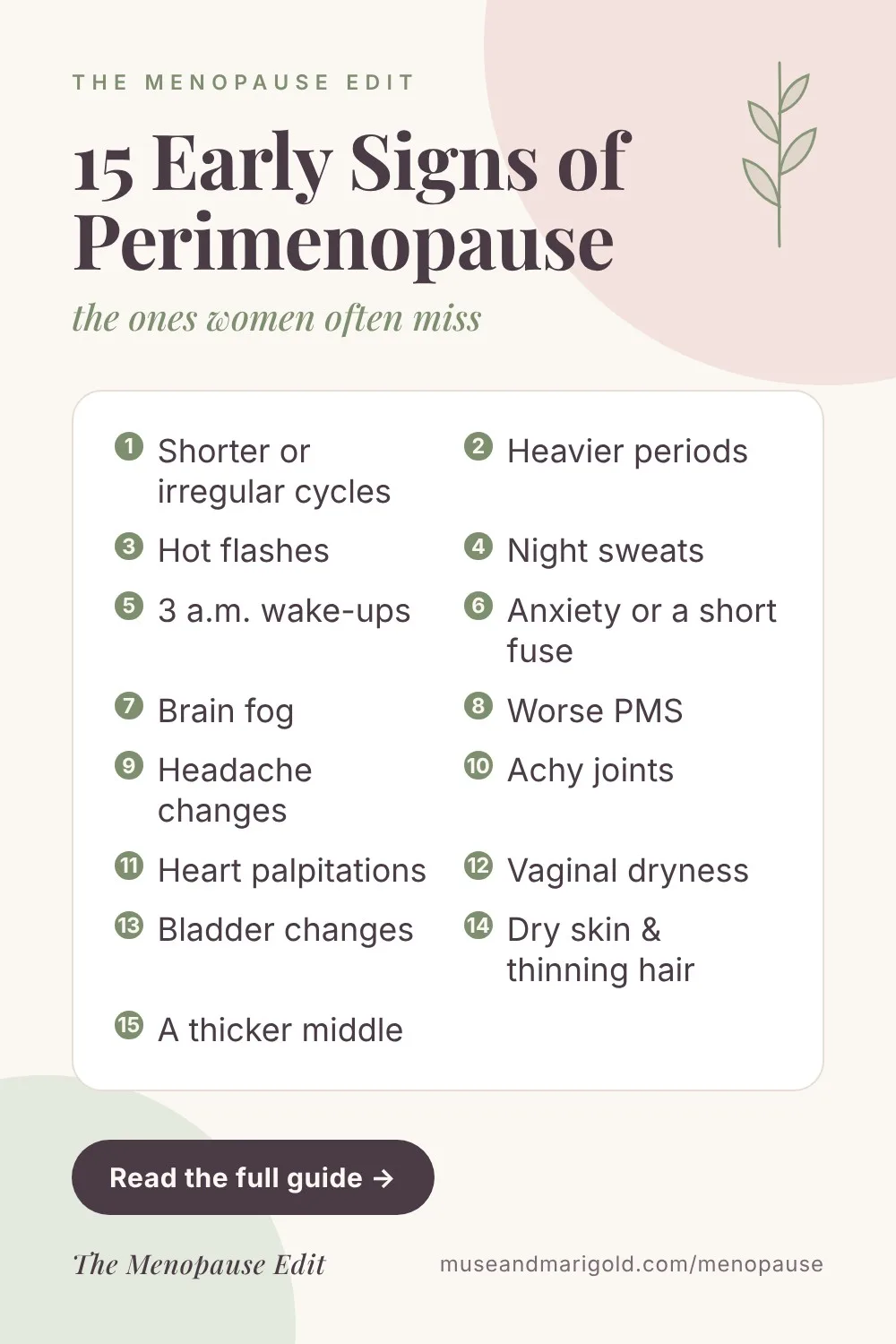
Early Perimenopause Signs: 15 Symptoms Women Often Miss
Perimenopause rarely announces itself. Here are 15 early signs, including the quieter ones that rarely make the lists, how to tell it apart from other causes, and when to call your doctor sooner.
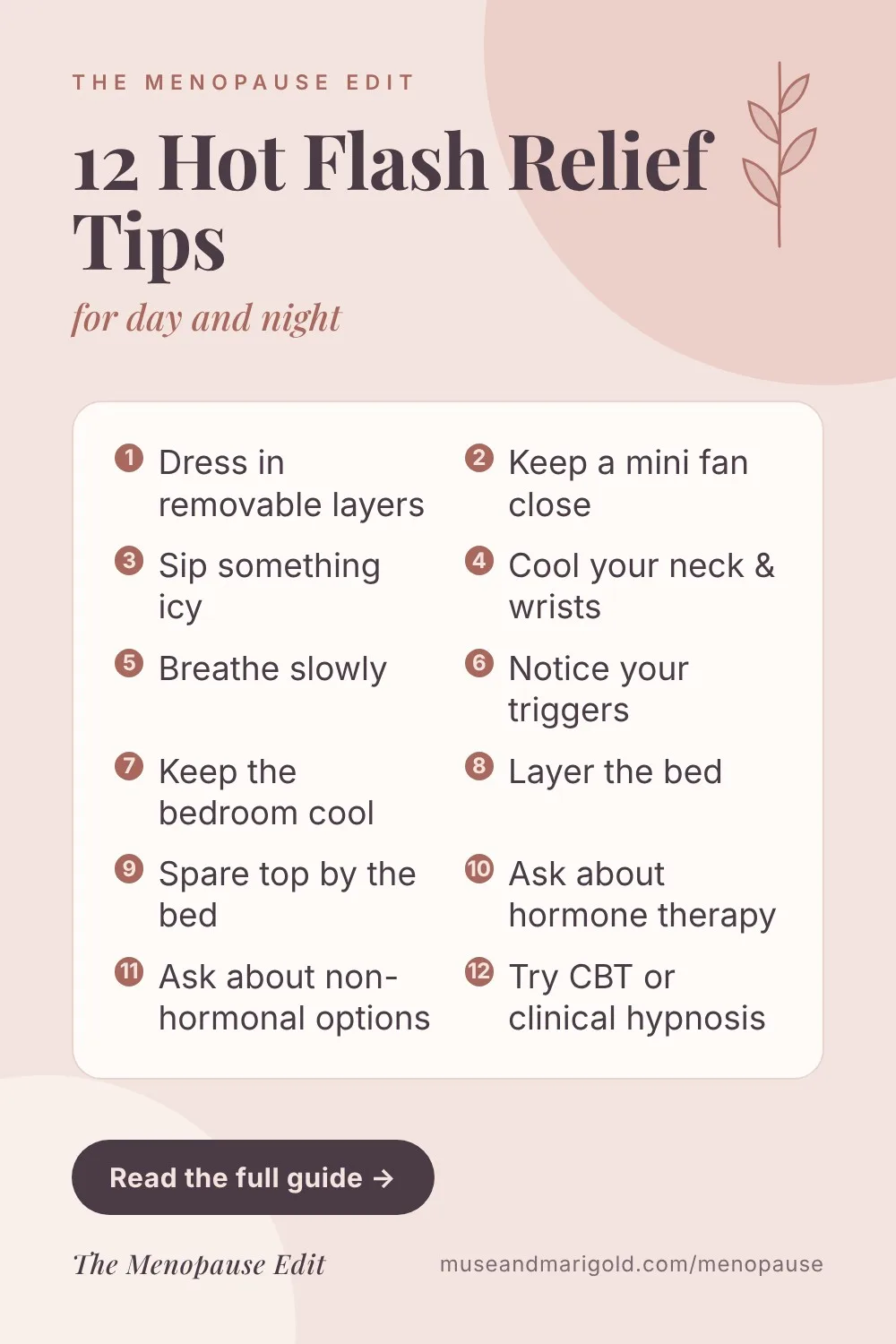
Hot Flashes Relief: 12 Cooling Tips and Treatments That Help
Comfort tricks help you get through a hot flash. Proven treatments help you have fewer of them. Here is an honest guide to both, plus how to talk to your doctor.