
Bridal Dresses · 7 min read · October 8, 2026
Bridal Cape Wedding Dresses: Elegant Winter Bride Inspiration
Bridal cape wedding dresses give winter brides the drama of a long veil with the polish of outerwear. Here are the cape styles to know, how to pair one with your gown, what capes typically cost and the styling mistakes to skip.
Muse & Marigold is reader-supported. We may earn a commission if you buy through links on this site, at no extra cost to you.
Some images in this story were created or assisted by AI tools.
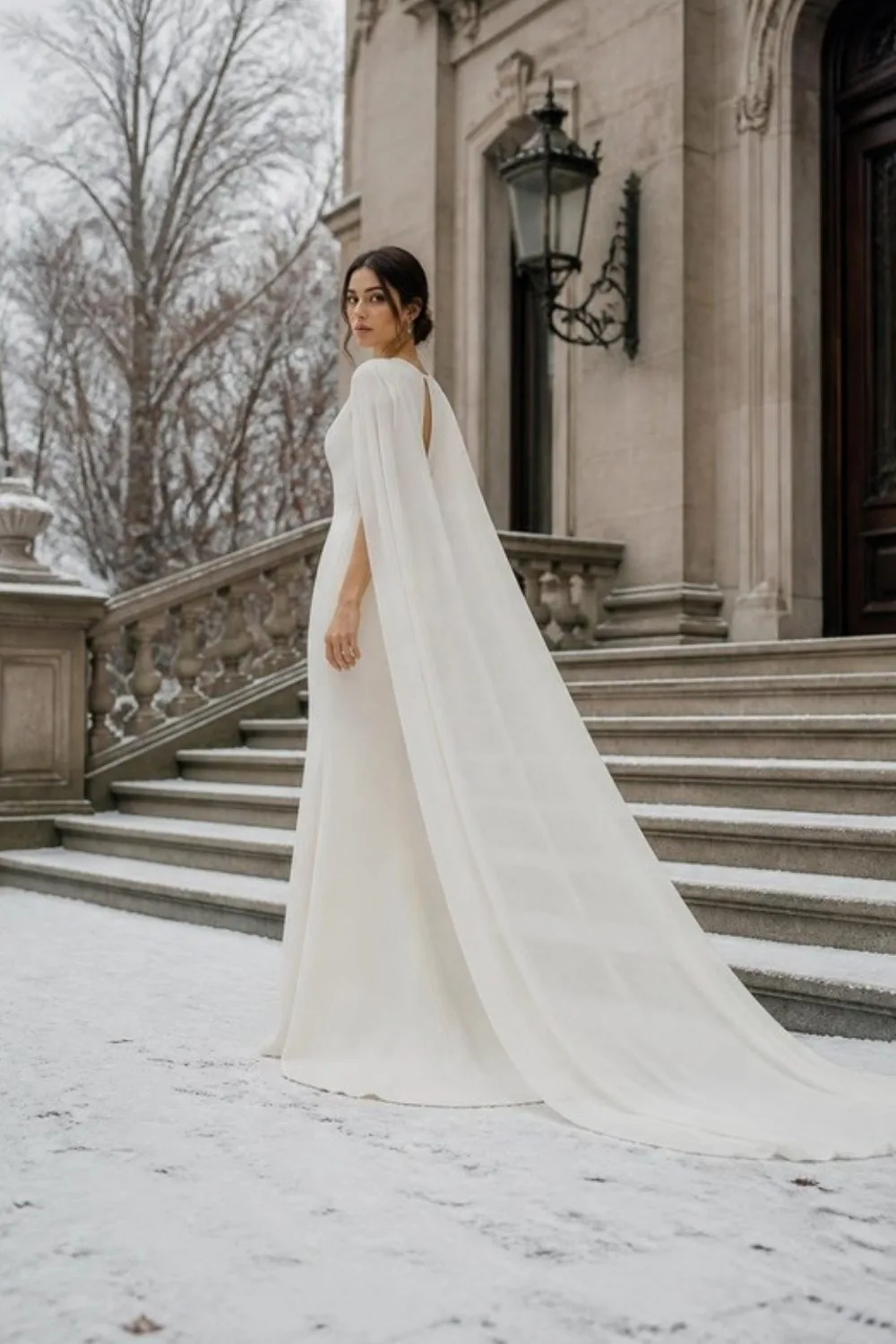
Bridal cape wedding dresses give you the drama of a cathedral veil with the warmth and polish of outerwear, which is exactly why they shine at winter weddings. Below you will find the cape styles worth knowing, how to pair each one with your gown, what they typically cost, and the styling mistakes that make a cape look like a costume instead of couture.
Why a Bridal Cape Works So Well in Winter
A cape solves two winter problems at once. It adds coverage in a chilly church or during outdoor portraits on a stone staircase, and it gives a simple gown a strong silhouette in photos without adding weight to the dress itself. Unlike a veil, a cape sits on your shoulders, so it moves with you rather than catching the wind or slipping out of your hair.
It also photographs beautifully against snow, bare branches and gray stone. A long sheer chiffon cape falling behind a fitted white gown creates a soft column of fabric that reads elegant even from across a courtyard, which matters when your photographer is shooting wide on the front steps of a classic building. In motion, the cape lifts and trails, so walking shots look effortless rather than posed.
Bridal Cape Styles to Know
The sheer chiffon cape
Chiffon is lightweight and fluid, so it floats when you walk and pools softly on stairs. It works best over sleek gowns in crepe, mikado or satin, where it adds movement without competing with the dress. Look for a cape that attaches at the shoulder seams or with a fine neckline band rather than a heavy clasp.
The tulle cape with pearl or beaded edging
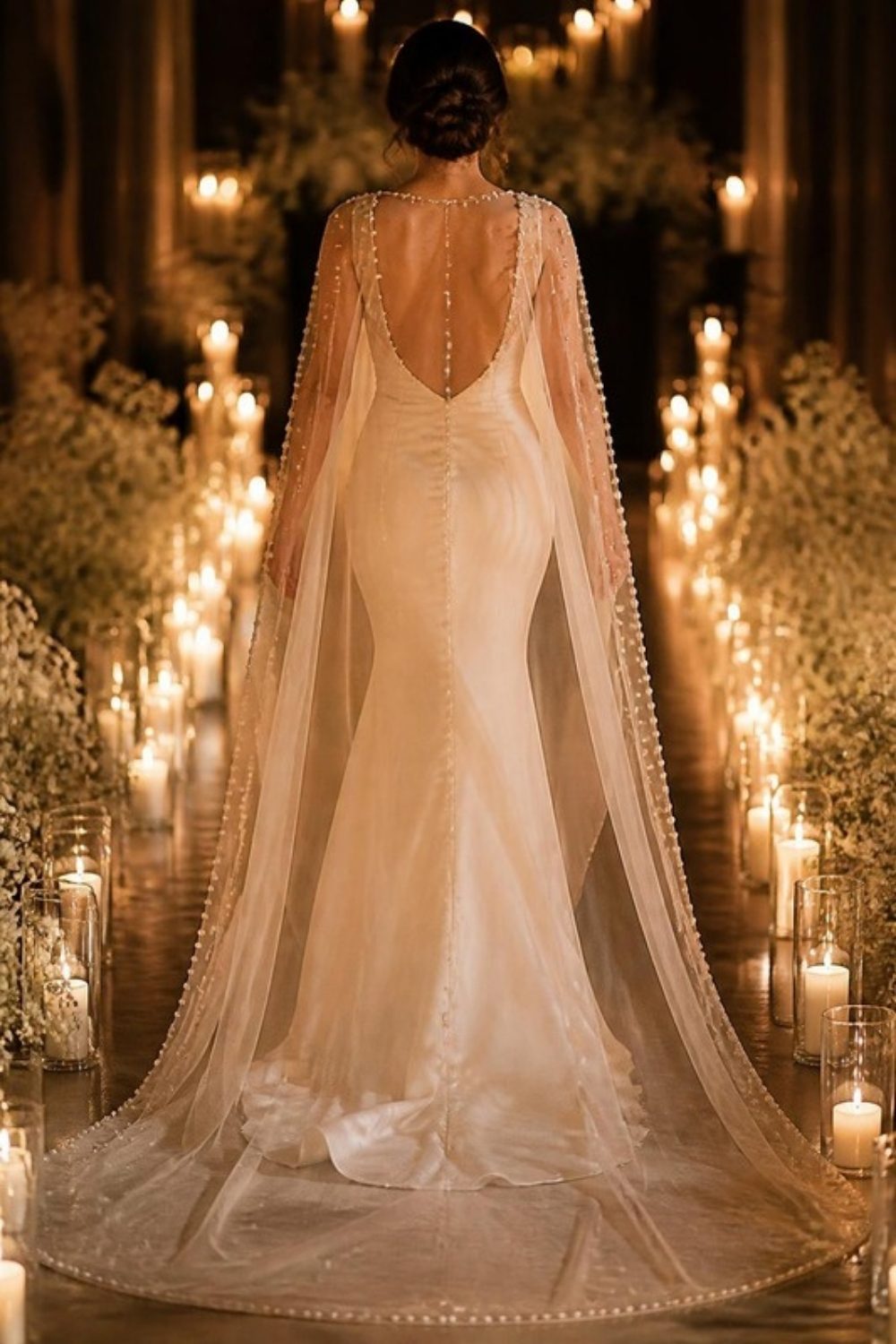
Tulle holds a little more shape than chiffon and is the classic choice for a romantic, veil-like look. A pearl-edged or lightly beaded hem adds weight at the bottom, so the cape hangs straight and catches the light as you move.
The capelet
A capelet ends at the elbow or above and gives you coverage without length. It suits tea-length dresses, courthouse weddings and brides who want a vintage feel. A structured satin capelet with a bow at the collarbone reads clean and modern.
The built-in cape gown
Some gowns have the cape sewn into the back or shoulders. These look seamless but cannot be removed for the reception. If you love the look and also want freedom on the dance floor, ask about a detachable version or browse convertible wedding dresses designed to change between ceremony and party.
How to Pair a Cape with Your Wedding Dress
The simplest rule is to let one piece carry the detail. If your gown is heavily beaded or covered in lace, choose a plain chiffon or silk tulle cape. If your dress is minimal, a pearl-trimmed or embroidered cape can become the statement. Clean crepe and satin gowns are the easiest canvas for any cape.
- Neckline: High necks, bateau necks and strapless gowns all work with capes. Off-the-shoulder styles need a cape that attaches at the bodice edge or a capelet that sits around the upper arms.
- Color: Match the cape to the gown in daylight, not under salon lighting. An ivory cape over bright white fabric can look dingy, and white over ivory can look gray.
- Length: Floor-length and chapel-length capes suit long aisles and grand staircases. Hip or elbow length suits smaller venues and a busy dance floor.
- Hair: A low bun or sleek updo keeps the shoulder line clear so the cape drapes properly and the attachment points stay hidden.
Cape or Veil: Choosing Your Aisle Moment
The back view is where a cape earns its place. Guests see you from behind for most of the ceremony, so as you walk down a candlelit aisle, a floor-length tulle cape edged in pearls gives them a clean, glowing line from shoulder to hem. The pearls pick up the candlelight with every step, and the trailing tulle softens the outline of the gown without hiding its shape. A veil creates a similar effect, but it frames your face and hair rather than your shoulders.
Choose a cape if you want your hair fully visible, plan to wear a statement hair accessory, or expect wind at an outdoor ceremony. Choose a veil if you want a lift-the-blusher moment. Some brides wear both: a short silk organza veil for the ceremony and a cape for portraits afterward. If you do, keep the fabrics close in tone and texture so they look intentional together.
What a Bridal Cape Typically Costs
Ready-to-wear chiffon and tulle capes from bridal accessory brands typically run $150 to $500. Capes with hand-sewn pearls, beading or lace appliques often cost $400 to $1,200, and custom capes made by a bridal seamstress can go higher depending on length and embellishment. A gown with a built-in cape usually costs about the same as comparable gowns without one, since the cape is part of the design.
Budget for fitting, too. A tailor may need to add hidden snaps, thread loops or a fine elastic band so the cape sits correctly, which typically adds $50 to $200 to your alterations bill. Track these small add-ons in a free wedding budget spreadsheet so accessories do not quietly push your attire total over plan.
Styling a Cape for a Winter Wedding
Winter brides can lean into texture. A crepe gown with a silk chiffon cape feels sleek against frosted trees, while a satin gown with a tulle cape and a faux fur stole for outdoor photos feels cozy and grand.
- Choose a palette that flatters a white cape, such as silver, evergreen, deep burgundy or icy blue. Our winter wedding color palettes guide has combinations that photograph well in snow.
- Carry a cascading or long-stemmed bouquet. A small, tight round bouquet can look lost against a long cape.
- Keep jewelry close to the face, such as drop earrings or a hair comb, rather than a statement necklace the cape will partly cover.
- Plan a covered route between the ceremony and reception so the hem does not drag through slush or road salt.
- Ask your photographer for a few walking shots on stairs or a long path, where the cape shows its full length.
Mistakes to Avoid with a Bridal Cape
- Skipping the fitting. Bring the cape to every gown fitting. A cape that pulls at the neckline or slides off one shoulder is distracting in every photo.
- Too many details at once. A beaded cape over a beaded gown with a cathedral veil reads busy. Pick one star.
- Ignoring the bustle. If your gown has a train, decide whether the cape comes off before the bustle is done, and tell your seamstress the order.
- Forgetting your arms. Practice hugging, holding your bouquet and lifting a glass. Some capes restrict arm movement more than you expect.
- Weather blind spots. Sheer chiffon is not warm. For outdoor winter portraits, add a wrap or stole you can slip off between shots.
FAQ
Can you wear a cape instead of a veil at your wedding?
Yes. A cape fills the same role as a veil, adding length and softness to your back view, and many brides choose one because they want their hair or hair accessory fully visible. Pair it with a pearl comb or jeweled clip if you still want some detail in your hair.
Are bridal capes good for winter weddings?
They are one of the most practical winter accessories. A cape adds coverage for cold venues and outdoor photos, and heavier fabrics such as satin, crepe or lined tulle add real warmth. Sheer chiffon is mainly decorative, so layer a wrap for long outdoor sessions.
How long should a bridal cape be?
Floor length or slightly longer suits formal ceremonies, long aisles and staircases. Hip or waist length is easier for dancing and smaller venues. Elbow-length capelets work best with tea-length or sleek short dresses.
Save this pin to your winter wedding board so the look is ready when you start trying on gowns. For more cold-weather bridal ideas, browse our guide to Christmas wedding dresses next.
Pin this
Bridal Cape Wedding Dresses: Elegant Winter Bride Inspiration | Muse & Marigold
Bridal cape wedding dresses are one of the most elegant ways to stay warm as a winter bride. See sheer chiffon capes over fitted gowns, pearl-edged tulle capes for a candlelit aisle and capelets for courthouse weddings, plus how to pair a cape with your wedding dress, typical prices and fitting tips for a winter wedding. Save this for later.
bridal cape wedding dress cape instead of veil chiffon bridal cape pearl tulle cape wedding dress with cape winter bride inspiration winter wedding dress
← Opalite Wedding Decor: The Iridescent Wedding Color Palette Trend
Related
Romantic Tulle Wedding Dresses with Pearl Details & Sheer Sleeves
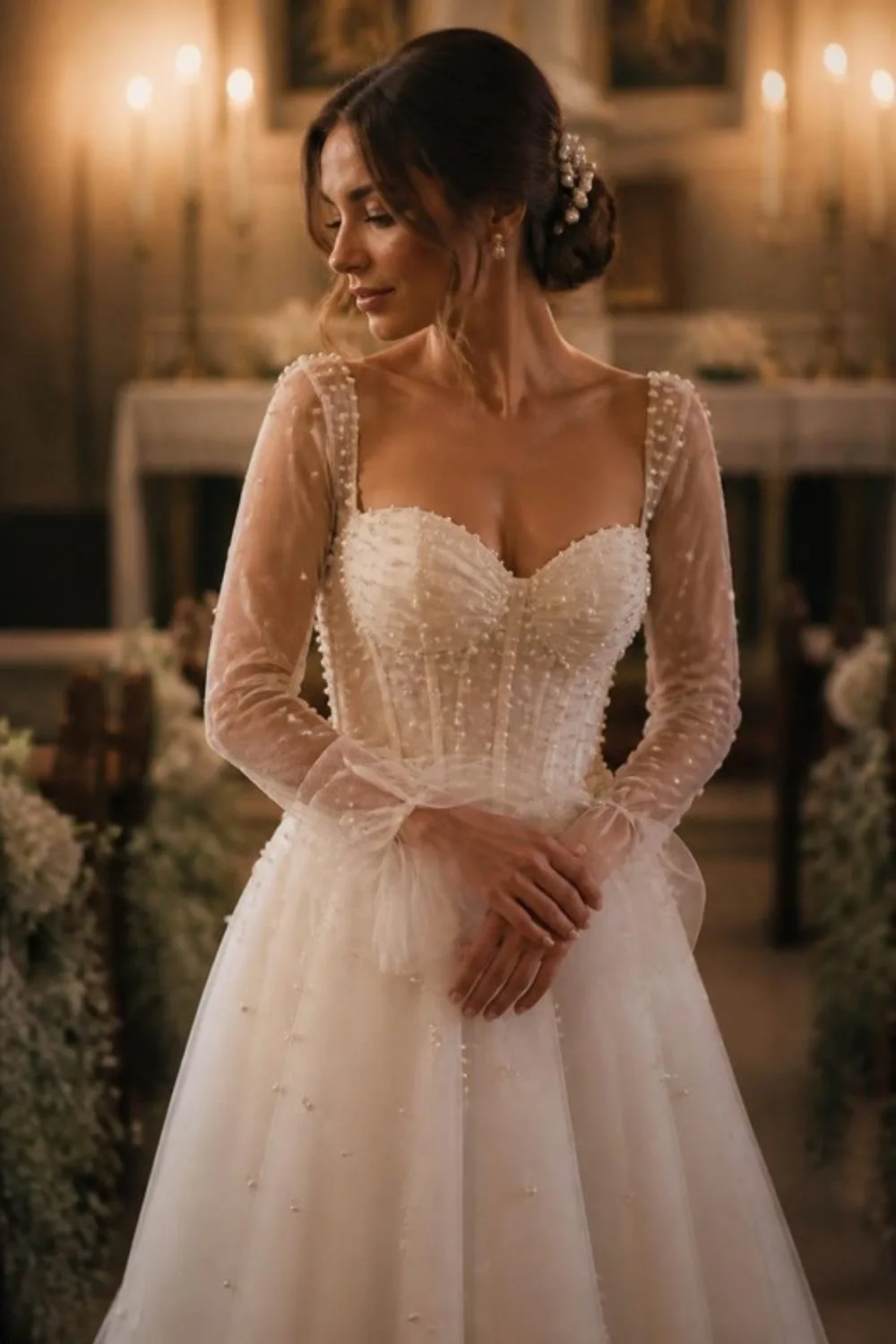
Romantic tulle wedding dresses with pearl details and sheer sleeves glow softly in candlelight. Discover the tulle types and pearl treatments to look for, how to choose sleeves, styling ideas and what these gowns typically cost.
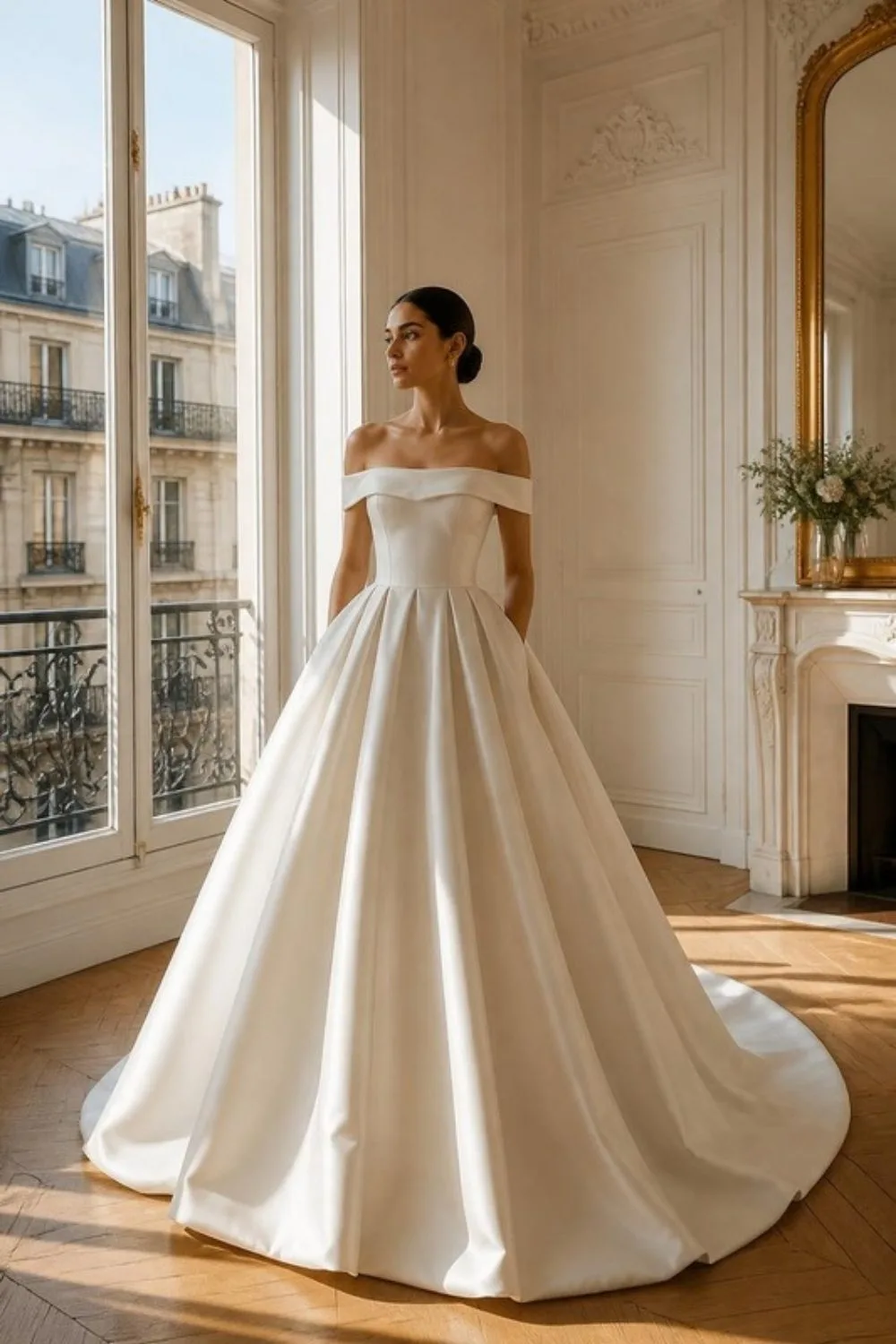
Off-the-Shoulder Satin Wedding Dresses: Clean, Chic & Timeless
Off-the-shoulder satin wedding dresses are clean, chic and almost impossible to date in photos. Learn which satin to choose, the silhouettes that suit each venue, how to style the neckline and what these gowns typically cost.

Elegant Glass Greenhouse Wedding Venue Concepts for Your Botanical Celebration
A glass greenhouse venue offers the enchantment of an outdoor garden setting while providing shelter overhead. Natural sunlight streams through the transparent panels, lush vegetation frames each seating area, and as evening approaches, candlelight creates a luminous effect mirrored across the glass surfaces, resembling a starlit sky.